Picture a warm summer morning, standing barefoot in the garden, popping sun-warmed berries straight into your mouth—juice staining your fingers, not caring one bit.
There’s something primal about eating fruit you’ve picked yourself, and berries offer this pleasure more than any other fruit. No peeling, no pits, just pure sweetness (or tartness!) in every bite.
But here’s what surprised me when I started exploring: those familiar supermarket strawberries and blueberries represent just a tiny fraction of what’s available.
Hundreds of berry species grow worldwide, each with unique flavors—some taste like wine, others like pineapple or even bubblegum.
This guide takes you beyond the produce aisle into a world of extraordinary berries, showing you which pack the most nutrition, how to grow varieties your neighbors have never heard of, and critically—which pretty berries will land you in the emergency room.
What Actually Makes a Berry a Berry?
Let’s clear up some confusion. Botanically, true berries develop from a single flower with one ovary and have seeds embedded in fleshy tissue—which means bananas, tomatoes, and grapes are berries, while strawberries, raspberries, and blackberries technically aren’t.
But here’s the thing: unless you’re a botanist, this doesn’t matter. In everyday language, berries are small, juicy, seed-containing fruits we can eat by the handful. They’re soft-fleshed, intensely flavored, and often vibrantly colored.
For our purposes, we’re using the culinary definition—what matters is taste and nutrition, not taxonomy.
Why Your Body Loves Berries
Berries aren’t just nature’s candy—they’re nutritional powerhouses punching well above their weight:
- Cellular Protection:
The deep colors in berries come from anthocyanins, flavonoids, and polyphenols—antioxidants that protect cells from free radical damage. Research links this protection to reduced risk of heart disease, certain cancers, and cognitive decline.
- Fiber Without Bulk:
Most berries deliver substantial fiber while staying low-calorie. A cup of raspberries provides 8 grams of fiber (nearly one-third of daily needs) with just 64 calories. This fiber regulates blood sugar, supports digestion, and keeps you satisfied.
- Vitamin Jackpot:
Different berries excel at different nutrients. Strawberries overflow with vitamin C (one cup exceeds your entire daily requirement). Blueberries bring vitamin K. Blackberries contribute vitamin E. Together, they support everything from immunity to bone health.
- Brain Food:
Multiple studies link regular berry consumption with better memory and cognitive function. The flavonoids appear to improve communication between brain cells and may reduce brain inflammation, potentially slowing age-related mental decline.
Berry Seasons: When to Buy and Harvest
Understanding seasonality ensures peak flavor and best prices:
- Late Spring (May-June): Strawberries peak first, followed by early cherries and mulberries. Markets overflow with these fruits, and prices drop.
- Mid-Summer (June-July): Prime time for raspberries, blueberries, blackberries, currants, and gooseberries. Most berry varieties overlap during this golden window.
- Late Summer (August-September): Late-season blackberries, elderberries, and huckleberries. Some everbearing strawberries and raspberries produce second crops.
- Fall (September-November): Cranberries dominate, along with lingonberries and late-season cultivated varieties. Some berries like rosehips and autumn olives fruit now.
Many berries are available year-round via imports or from frozen stock, but buying in-season local berries guarantees better flavor and value.
The Essential Seven: Berries Everyone Should Know
Strawberries: The Crowd Pleaser
These heart-shaped fruits bring universal appeal, but supermarket strawberries barely resemble truly ripe ones. Commercial berries are bred for durability and picked before peak ripeness.
A genuinely ripe strawberry, still warm from the sun, explodes with sweet-tart juice and floral fragrance—the difference is revelatory.

- Growing Notes:
Thrive in zones 3-9, preferring full sun and well-drained soil. Even apartment dwellers can grow them in containers. Plants produce runners that root into new plants, creating continuous expansion. For best yields, replace plants every 3-4 years.
- Harvest & Use:
Ready late spring through early summer. Pick when fully red (including the tip near the leaves). Best fresh, in shortcakes, smoothies, or macerated with sugar and balsamic vinegar for elegant toppings.
 Here’s How to Keep Strawberries Fresh for Weeks Using a Glass Jar
Blueberries: The Antioxidant Champion
Small but mighty, blueberries consistently top antioxidant-rich food lists. These powder-blue orbs grow on bushes producing for decades with minimal care.
Two main types exist: lowbush (wild) and highbush (cultivated). Wild blueberries are smaller and more intensely flavored, typically found in northeastern regions.
Cultivated varieties are larger and juicier, though some enthusiasts argue they lack wild berries’ complex flavor.

- Growing Notes:
Highbush varieties (zones 4-7) need acidic soil (pH 4.5-5.5)—amend with sulfur if necessary or use containers with ericaceous compost.
Lowbush varieties (zones 2-8) tolerate colder climates. Plant at least two varieties for cross-pollination and heavier crops. Full sun produces best yields.
- Harvest & Use:
Peak mid to late summer. Ripe berries have deep color with powdery bloom. They freeze perfectly—spread on trays, freeze solid, then bag. Use in muffins, pancakes, smoothies, or eat fresh by the handful.
Related posts:
- How to Grow Blueberries: A Beginner’s Guide to Planting, Care, & Harvest
- Best Blueberry Fertilizer Guide: Avoid Mistakes, Maximize Harvests
Raspberries: The Delicate Treasure
Raspberries possess sophisticated sweet-tart flavor but are remarkably fragile. Perfect raspberries last only a day or two, explaining their expense and why homegrown ones are such treats.
Colors extend beyond familiar red: golden raspberries taste milder and sweeter; black raspberries (different from blackberries!) are smaller, firmer, with earthy richness.

- Growing Notes:
Thrive in zones 3-9. Plants send up new canes yearly—first-year canes (primocanes) just grow; second-year canes (floricanes) produce fruit, then die.
Prune out old fruited canes in late winter to make room for new growth. Space plants 2-3 feet apart in full sun with well-drained soil. Thornless varieties exist for easier harvesting.
- Harvest & Use:
Summer-bearing varieties fruit in July; everbearing types produce in June and again in September. When picking, the white core stays on the plant, leaving a hollow center. Eat fresh immediately, make jam, or freeze for later.
Blackberries: The Wild Wanderer
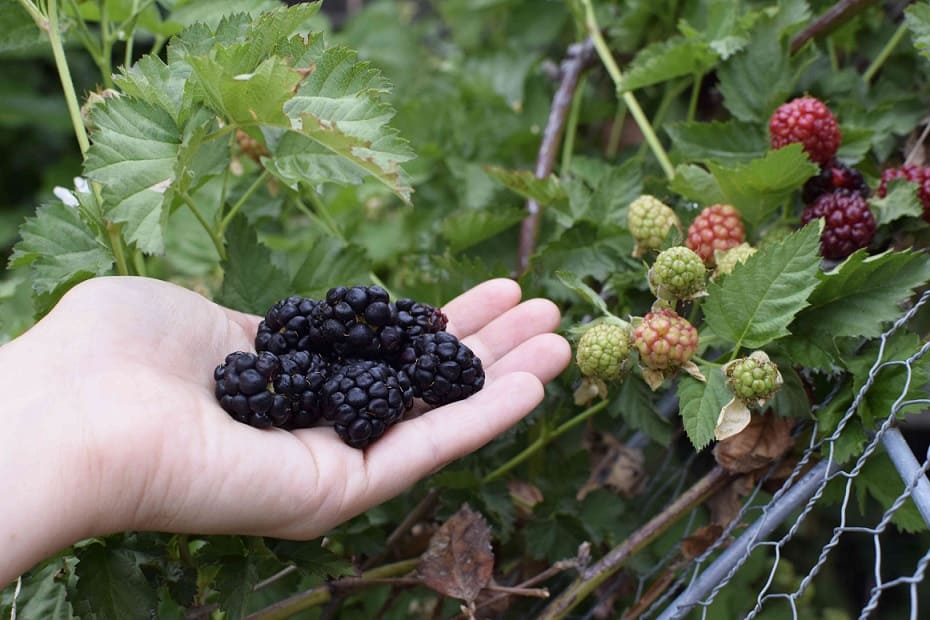
Blackberries have complicated reputations—treasured in gardens for prolific fruit, sometimes considered invasive in the wild where they spread aggressively with serious thorns.
Ripe blackberries are glossy purple-black jewels balancing sweet and tart with slight wine-like quality. Unlike raspberries, the white core comes with the fruit.
- Growing Notes:
Hardy in zones 4-9. Thornless cultivated varieties can be trained along fences. Plant in full sun with room to spread—they’re vigorous. Like raspberries, remove old fruited canes annually. Trailing varieties need support; erect varieties stand alone.
- Harvest & Use:
Fruit ripens mid-summer through early fall. Pick when fully black and slightly soft—they don’t ripen off the vine. Excellent in cobblers, pies, jams, or paired with savory dishes (blackberry sauce transforms pork or duck).
Cranberries: The Tart Titan
Cranberries are genuinely, almost aggressively tart raw—so much so that most people never eat them fresh. They grow uniquely in wetlands and bogs rather than on typical bushes.
The mental image of cranberries floating in flooded fields comes from harvest time, when growers flood bogs making collection easier. The berries float, allowing them to be corralled and pumped out—visually stunning and efficient.

- Growing Notes:
Hardy in zones 2-7. Contrary to popular belief, you can grow cranberries without a bog—they need consistently moist, acidic soil (pH 4.0-5.5).
In gardens, plant in areas with poor drainage or create bog-like conditions with acidic peat. They grow as low groundcover, spreading via runners.
- Harvest & Use:
Berries ripen September through November, starting green and turning deep red. Despite tartness, they’re nutritional powerhouses, particularly known for compounds helping prevent urinary tract infections.
Use in sauce, juice (commercial versions add sugar), baked goods, or dried in trail mix.
Currants: The European Favorites
In Europe, currants rival blueberries in popularity. In America, they’re less known, partly due to historical restrictions—blackcurrants can host diseases harmful to pine trees, leading to cultivation bans in some states (now lifted in many areas).
Currants grow in clusters on small bushes with intense flavor. Blackcurrants are deeply aromatic with musky, almost savory quality—too tart for most to eat fresh but spectacular in jams, syrups, and liqueurs (cassis).
Redcurrants are slightly less tart, more accessible raw, though still zingy. White currants are actually pale cultivars of red currants with sweeter flavor, excellent for fresh eating or elegant Lorraine jelly.

- Growing Notes:
Hardy in zones 2-9 depending on variety. Prefer cool climates and partial shade, though tolerate full sun. Need consistent moisture and benefit from mulch.
Self-fertile but produce better with cross-pollination. Minimal pruning needed—remove oldest wood every few years.
- Harvest & Use:
Ready mid to late summer. Harvest entire clusters when uniformly colored. Blackcurrants excel in preserves, syrups, cordials; redcurrants make beautiful jellies or garnish desserts; white currants shine fresh or in delicate preserves.
Gooseberries: The Forgotten Fruit
Gooseberries look almost alien—translucent spheres striped with veins, ranging from green to red to purple. Their flavor is intensely tart, perfect for pies and jams where acidity balances sugar beautifully.
- Growing Notes:
Hardy in zones 3-8. Related to currants (both in Ribes genus) and have similar growing preferences. Handle thorns carefully when harvesting. Some modern varieties are nearly thornless. Tolerate partial shade better than most berries.
- Harvest & Use:
Ready mid-summer. Pick early for mouth-puckering sourness ideal for savory chutneys. Let ripen fully for surprising sweetness—some varieties are pleasant fresh at peak. Their high pectin content makes them excellent for jams and jellies.

Cape gooseberries (golden berries) are unrelated but equally delicious—small yellow-orange fruits wrapped in papery husks with sweet-tart tropical flavor.
Berry Hybrids: The Best of Both Worlds
Enterprising horticulturists have created spectacular crosses between raspberry, blackberry, and dewberry species. These hybrids often combine the best traits of their parents—enhanced flavor, larger fruit, or better disease resistance.
Most require similar growing conditions to their parents and reward gardeners with unique taste experiences.
Boysenberries: The California Giant
Created in California by Rudolph Boysen, these are crosses between raspberry, blackberry, loganberry, and dewberry.
The result? Fat, dark purple-red berries that are extraordinarily juicy with rich flavors of red wine and sweet blackcurrant. They’re so juicy they’re easily damaged, so handle gently and eat soon after picking.

- Growing Notes:
Hardy in zones 6-9. Vigorous vines produce large berries on second-year canes. Need trellising or support. Thornless varieties available and highly recommended. Plant in full sun with well-drained soil.
- Harvest & Use:
Fruit ripens mid-summer. Excellent fresh, in pies, jams, or that California classic—boysenberry pie. Their high anthocyanin content gives them powerful antioxidant properties.
Loganberries: The Happy Accident
The original berry hybrid, loganberries appeared accidentally in James Harvey Logan’s California garden in the 1880s when his raspberry and blackberry crops cross-pollinated.
These elongated, dark red berries taste like sophisticated blackberries with raspberry tartness—supremely balanced flavor.

- Growing Notes:
Hardy in zones 5-9. Thorny canes (thornless cultivars exist) need support. Fruit on second-year growth like their parents. Prefer full sun and consistent moisture.
- Harvest & Use:
Peak production early to mid-summer. British navy historically valued them for preventing scurvy due to high vitamin C content. Use in pies, preserves, or make into wine.
Tayberries: The Scottish Creation
Developed in Scotland in the 1970s and named after the River Tay, tayberries cross blackberries with raspberries, producing cone-shaped berries larger and sweeter than loganberries.
Their flavor is aromatic, intensely berry-like, with less tartness than loganberries.

- Growing Notes:
Hardy in zones 6-9. Vigorous growers needing substantial support. Fruit heavily in July. Handle delicately—they’re tender when ripe.
- Harvest & Use:
High natural pectin makes them ideal for jams and jellies. Also excellent in pies, tarts, or fresh with cream. Some consider tayberries the finest berry hybrid.
Marionberries: The Oregon Star
Marionberries are blackberry cultivars developed in Oregon—specifically, a cross between Chehalem and Olallie blackberries.
They’re now the most planted blackberry in Oregon, prized for complex, earthy-sweet flavor that’s brighter and more nuanced than standard blackberries.

- Growing Notes:
Hardy in zones 6-9. Trailing vines need trellising. Very productive once established. Oregon’s climate suits them perfectly—cool, moist springs and warm, dry summers.
- Harvest & Use:
Ripen late summer. Slightly firmer than other blackberries, making them better for shipping. Outstanding in pies, cobblers, and Oregon’s famous marionberry ice cream.
Olallieberries: The California Cousin
Olallieberries are loganberry-youngberry crosses (the youngberry itself being a dewberry-blackberry cross). These juicy, bold-flavored berries grow primarily in California’s central coast, where they have a devoted following.
- Growing Notes:
Hardy in zones 6-9. Similar growing requirements to blackberries. Highly perishable, which limits commercial distribution but makes homegrown crops extra special.
- Harvest & Use:
Ripen late July. Their balance of sweetness and tartness makes them excellent for preserves. They hold together well in pies without excessive thickeners thanks to good pectin content.

Other Notable Crosses
- Dewberries (zones 4-9) aren’t hybrids but wild trailing blackberries growing close to ground. Smaller than cultivated blackberries, they’re intensely sweet when ripe.
- Wineberries (zones 4-8), native to Asia, produce jewel-like red berries on canes covered with red bristles—beautiful and delicious with complex, slightly winey flavor.
Hidden Gems: Rare Berries Worth Discovering
Elderberries: The Immunity Booster
These dark purple berries have experienced a renaissance recently, appearing in supplements and syrups marketed for immune support. Humans have used them for centuries in traditional medicine.
- Critical Warning:
Raw elderberries contain compounds causing nausea. Always cook before consumption. Once cooked, they’re safe and delicious with rich, wine-like flavor.
- Growing & Use:
Hardy shrubs in zones 3-8, producing spectacular cream-colored flower clusters in spring. These edible flowers make fragrant cordials. Berries ripen late summer. Use cooked in syrups, cordials, pies, or immune-supporting preparations.

Aronia Berries (Chokeberries): The Antioxidant Powerhouse
Black chokeberries have been rebranded as “aronia berries” by savvy marketers highlighting their superfood status. These berries contain more antioxidants than blueberries, with deep, wine-like flavor when cooked—though they’re astringent raw.
- Growing & Use:
Hardy shrubs in zones 3-7, tolerating various soils including clay. Produce white spring flowers and brilliant fall foliage. Berries ripen late summer. Too astringent for most to eat fresh, but excellent in juices, jams, and baked goods.
Red chokeberries exist but are less flavorful than black varieties.

Huckleberries: The Mountain Treasure
True huckleberries grow wild in mountainous regions of the Pacific Northwest and are rarely cultivated. They resemble blueberries but taste more intense—simultaneously sweeter and more complex with slight tartness. Some varieties taste almost wine-like.
- Growing & Use:
Hardy in zones 7-9 but challenging to cultivate—most are wild-harvested. Prefer acidic, well-drained soil and partial shade.
Fruit ripens late summer. Famous for huckleberry pie throughout the Northwest. Their reputation was immortalized by Mark Twain’s Huckleberry Finn.

Honeyberries (Blue Honeysuckle): The Siberian Survivor
One of the first fruits of the year, honeyberries ripen in May—weeks before strawberries. These blue, elongated berries taste like blueberries with blackcurrant undertones. Bred in Siberia to withstand extreme cold, they’re incredibly hardy.
- Growing & Use:
Thrive in zones 2-7, tolerating temperatures to -55°F. Bushes produce delicate yellow flowers in early spring that attract bees. Plant two varieties for cross-pollination.
Berries are excellent fresh, in baked goods, or frozen like blueberries. Sometimes marketed as haskap berries.

Mulberries: The Tree That Drops Treasure
Mulberries grow on trees (up to 30 feet) rather than bushes, looking like elongated blackberries. They come in white, red, and black varieties, with black generally most flavorful.
- Challenge:
When ripe, they’re incredibly sweet, juicy—and messy. They fall from trees at peak ripeness, staining everything below. Plant over areas where staining doesn’t matter or harvest vigilantly before the drop.
- Growing & Use:
Hardy in zones 4-9. Trees grow quickly and produce within 2-3 years. Fruit ripens early to mid-summer. High in iron, vitamin C, and antioxidants. Black mulberries are sweetest; white mulberries are milder; red mulberries have good balance.
Eat fresh, make into jams, or dry like raisins. Historically important—white mulberry leaves are the preferred food of silkworms, making these trees crucial to silk production.

Serviceberries (Juneberries/Saskatoons): The Understated Sweetness
Also called Saskatoons or shadbush, these deserve far more attention. They resemble blueberries but have unique sweet flavor with subtle almond undertones from seeds.
- Growing & Use:
Small trees or large shrubs (zones 4-8) with lovely white spring flowers. Often used in landscaping because they’re beautiful and trouble-free—many people walk past them daily without realizing fruits are edible.
Fruit ripens June through July depending on region. Native Americans considered these a staple food, often drying them for winter. Excellent in pies or eaten fresh. Very high in fiber, iron, and antioxidants.

Sea Buckthorn: The Coastal Survivor
These bright orange berries grow on silvery-leaved shrubs that thrive in harsh coastal conditions and poor soils. They’re extremely tart—almost unbearably so—but loaded with vitamins and omega fatty acids.
- Growing & Use:
Hardy in zones 3-7. Plants fix nitrogen, improving soil for other plants. Thorny branches make harvesting challenging. Berries ripen late summer and persist into winter.
Too sour for most to eat fresh, but excellent in juices (often mixed with sweeter fruits), syrups, or made into sauce for fish. Increasingly popular in craft beers. Very high in vitamin C and omega-7 fatty acids—one of the few plant sources.

Goji Berries: The Ancient Superfood
Used in traditional Chinese medicine for thousands of years, goji berries have gained Western superfood status. These bright red-orange berries have unique flavor—somewhere between tomato, cranberry, and raisin with floral notes.
- Growing & Use:
Hardy in zones 3-10. Bushes are surprisingly easy to grow, tolerating various conditions and drought once established. Produce striking purple flowers before berries. Most sold commercially are dried, as fresh ones are extremely perishable.
While miraculous health claims are overstated, they’re genuinely nutritious with high vitamins A and C, iron, and all essential amino acids.

Lingonberries: The Scandinavian Staple
Tiny, red, and intensely tart, lingonberries dominate Scandinavian cuisine. These grow on low evergreen shrubs withstanding extreme cold. If you’ve been to IKEA, you’ve probably seen lingonberry jam.
- Growing & Use:
Hardy in zones 2-8. Prefer acidic soil like blueberries. Grow as groundcover, slowly spreading via underground runners. Attractive year-round with glossy leaves and pink bell-shaped flowers.
Too tart raw for most palates, but cooked with sugar create brilliant accompaniments to savory dishes, particularly game meats, meatballs, and pancakes. High benzoic acid content means they preserve naturally—berries can overwinter on plants without spoiling.

Cloudberries: The Arctic Jewel
If you live in temperate zones, you’ll likely never see cloudberries unless you travel far north. These amber berries grow in Arctic regions, thriving in boggy areas where few fruits survive.
- Flavor & Use:
Complex taste—tart when first ripe, but developing sweet, almost creamy taste with apricot and floral hints if left on plants. In Scandinavia, they’re prized for jams and desserts, called “gold of the forest” and considered delicacies.
Rarity makes them expensive—almost impossible to cultivate commercially, so most are wild-harvested. Very high in vitamin C and omega-3 fatty acids.

Regional Treasures: Berries by Geography
Some berries thrive only in specific regions due to climate requirements or simply because they grow wild there. These regional specialties are worth seeking out if you find yourself in the right place.
Pacific Northwest Specialties
1. Salmonberries (zones 5-9) are Pacific Northwest natives producing orange to salmon-pink fruits resembling raspberries.
They’re sweet and floral but somewhat bland compared to raspberries. Native peoples used them extensively, and the young shoots are edible too. Ripen early summer.
2. Thimbleberries (zones 3-8) grow throughout northwestern forests. The large, soft red berries are shaped like thimbles and have intense raspberry flavor—almost too intense, like raspberry candy.
The large leaves were historically used as emergency toilet paper and to wrap food for cooking.
Northeastern Natives
1. Bunchberries (zones 2-7) grow as low groundcovers in northern forests, producing tight clusters of bright red berries. They’re sweet and edible but have unusual mucilaginous texture that some find off-putting. High in natural pectin.
2. Partridgeberries (zones 3-9) trail along forest floors in eastern woodlands, producing small red berries that persist through winter under snow.
Mild and slightly sweet, they were traditionally mixed with cornmeal by indigenous peoples. Also called “squaw berry” historically.
3. Teaberries (wintergreen, zones 3-8) grow wild throughout eastern forests as low evergreen groundcovers. The bright red berries have distinctive wintergreen flavor—refreshing and minty. Leaves are also edible and used for tea.
Southern and Warm-Climate Berries
1. Beautyberry (zones 5-10) produces spectacular clusters of bright purple berries in fall. While edible, they’re somewhat astringent and best as jelly. Traditionally used as insect repellent—crushed leaves repel mosquitoes.
2. Chilean Guava (Ugni molinae, zones 8-10) produces small pink-red berries with complex flavor—strawberry crossed with kiwi and bubblegum notes.
Extremely aromatic. Marginally hardy, needing protection in zone 8. The fruit ripens late fall into winter when little else fruits.
Mountain and Alpine Berries
1. Bearberries (zones 2-6) grow wild in arctic and alpine regions. The small red berries are technically edible but quite bland and mealy.
Historically important for indigenous peoples and valuable medicinally—leaves are used for urinary tract health. Also called kinnikinnick.
2. Crowberries (zones 2-6) grow in subarctic tundra as low evergreen mats. Small black berries are edible but watery and somewhat flavorless. Important food source in far northern regions where few other berries grow. High in antioxidants despite bland taste.
Specialty Ornamental Berries with Edible Fruit
1. Nannyberries (zones 3-7) grow on large viburnum shrubs producing clusters of blue-black fruits. Unlike most berries, these are starchy rather than juicy—texture similar to dates or bananas with sweet, prune-like flavor. Unusual but delicious. Ripen late fall.
2. Autumn Olive (zones 4-8) produces masses of small, silver-speckled red berries in fall. Sweet-tart flavor with astringency that mellows as they ripen. Very high in lycopene—even higher than tomatoes. Considered invasive in some areas due to vigor.
3, Barberries (zones 4-8) produce bright red oblong berries on thorny shrubs. Very tart, traditionally used in Persian cuisine and European preserves. High in vitamin C. Japanese barberry is ornamental but edible; European barberry has better flavor.
Specialty and Unusual Berries
Some berries defy easy categorization—they’re unique in appearance, flavor, or use. These are worth knowing about for their novelty or specific culinary applications.
Ground Cherries (Physalis): The Papery Package
Also called Cape gooseberries or golden berries, these aren’t true cherries but relatives of tomatillos. Small golden fruits grow wrapped in decorative papery husks. The flavor is tropical—sweet-tart with notes of pineapple and vanilla.
- Growing & Use:
Annual in most zones but perennial in zones 8-10. Easy to grow from seed, often self-seeding. Fruits ripen mid-summer through fall. Eat fresh, use in salsas, or make into preserves. High in vitamins A and C.

Jostaberries: The Thornless Wonder
Crosses between blackcurrants and gooseberries, jostaberries are thornless (unlike their parents) with flavor leaning toward gooseberries but with blackcurrant depth. These productive bushes deserve more attention.
- Growing & Use:
Hardy in zones 3-8. Easy, vigorous plants requiring little care. Fruit ripens mid-summer. Excellent for fresh eating or preserves. Higher yielding than either parent, making them ideal for small gardens wanting maximum production.

Kiwi Berries: Baby Kiwis
These grape-sized fruits taste exactly like fuzzy kiwis but with edible smooth skin—no peeling required. Sweeter and more intense than regular kiwis.
- Growing & Use:
Hardy in zones 3-9 but finicky. Vines need several years to fruit and require male and female plants for pollination. Very high in vitamin C—five times more than oranges. Worth the wait if you have patience and space for vigorous vines.

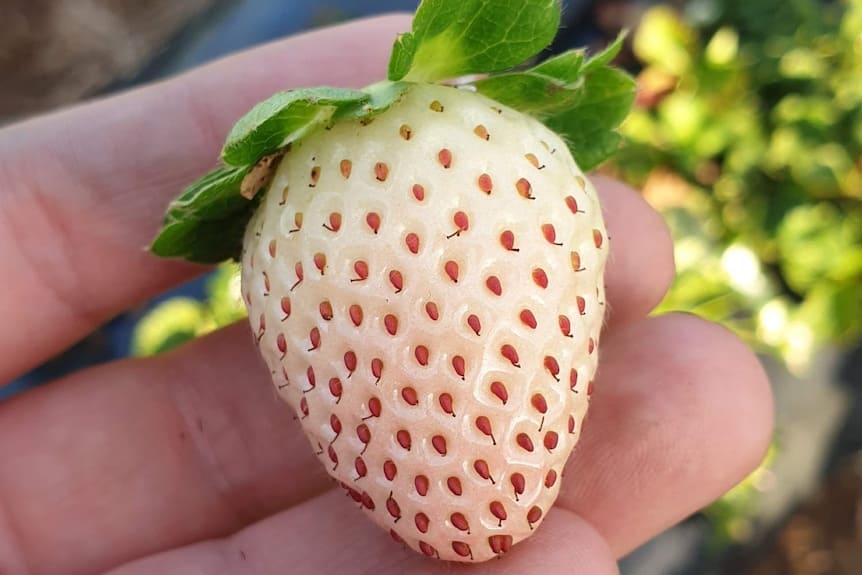
Pineberries: The Inside-Out Strawberry
These are white strawberries with red seeds—reverse coloring from standard strawberries. They taste like strawberries with distinct pineapple notes, hence the name.
- Growing & Use:
Same growing requirements as regular strawberries (zones 5-9). Novelty makes them conversation starters. Yields are typically lower than regular strawberries, and birds often ignore them due to unusual coloring—an advantage for gardeners.
Growing Your Own: Practical Guidance
Berry plants are among the most forgiving for beginning gardeners, but success comes from understanding a few key principles.
Site Selection and Soil
Most berries need six-plus hours of direct sun and well-drained soil. Few things kill berry plants faster than waterlogged roots. If your soil drains poorly, build raised beds or mounds.
- The Blueberry Exception:
These require acidic soil (pH 4.5-5.5). Test soil first—if neutral or alkaline, amend with sulfur or grow in containers with ericaceous compost.
Cranberries, lingonberries, and huckleberries also prefer acidic conditions. Other berries tolerate neutral to slightly acidic soil (pH 6.0-6.8).
Planting and Establishment
Most berry plants take 2-3 years to reach full production. Year one focuses on root establishment; year two begins fruiting; year three hits stride. Don’t judge success after one season—be patient for decades of harvests.
- Spacing:
Give plants room. Crowding reduces air circulation, inviting diseases. Strawberries: 12-18 inches; raspberries and blackberries: 2-3 feet; blueberries: 4-6 feet; currants and gooseberries: 3-4 feet.
- Cross-Pollination:
Some berries produce better with multiple varieties nearby. Blueberries significantly increase yields with 2-3 varieties.
Currants, gooseberries, and elderberries benefit from companions. Honeyberries require two different varieties for any fruit production. Strawberries, raspberries, and blackberries are self-fertile.
Ongoing Care
- Watering:
Consistent moisture matters most during fruit development. Deep watering once or twice weekly beats frequent shallow watering. Mulch helps retain moisture and suppress weeds.
- Feeding:
Apply balanced fertilizer or compost in early spring. Blueberries need acid-formulated fertilizer. Avoid over-fertilizing—too much nitrogen produces leaves at fruit’s expense.
- Pruning:
Different berries have different needs. Strawberries need minimal pruning—just remove dead leaves. Raspberries and blackberries require annual removal of fruited canes.
Blueberries benefit from thinning oldest wood every few years. Currants and gooseberries need light shaping.
Common Challenges
- Birds: They love berries as much as you do and have impeccable timing. Just as berries reach perfection, birds strip plants overnight. Lightweight bird netting draped over bushes solves this. Secure edges so birds can’t sneak underneath.
- Japanese Beetles: These metallic green beetles can devastate raspberry and blackberry crops. Hand-pick in morning when they’re sluggish, or use row covers during their peak season (late June through July).
- Powdery Mildew: This fungal disease appears as white powder on leaves. Improve air circulation by proper spacing and pruning. Water at soil level, not overhead. Choose resistant varieties when available.
- Root Rot: Caused by overly wet soil. Prevention is key—ensure good drainage. Raised beds help if your soil stays soggy.
Container Growing
Limited space? Many berries adapt to containers, perfect for patios and balconies.
- Best Choices:
Strawberries (especially everbearing varieties), blueberries (compact cultivars like ‘Top Hat’ or ‘Peach Sorbet’), lingonberries, and alpine strawberries excel in pots.
Thornless blackberries and raspberries work in large containers (15+ gallons). Dwarf berry varieties specifically bred for containers are increasingly available.
- Container Requirements:
Use pots with drainage holes and quality potting mix, not garden soil. Water more frequently than in-ground plants—containers dry faster. Feed regularly as nutrients leach with watering. Consider self-watering containers for berries needing consistent moisture.
From Bush to Table: Handling and Storage
Selecting Quality Berries
When buying at markets, look for plump berries with consistent color and no soft spots or mold. Avoid containers with juice staining—indicates damaged berries. Check bottom of containers—berries there shouldn’t be crushed or moldy.
- Farmer’s Market Advantages:
You can often taste before buying, and berries are usually picked within 24 hours. Ask farmers about their favorites and lesser-known varieties they grow. Many sell berries you’ll never find in supermarkets—tayberries, jostaberries, honeyberries, or unusual gooseberry varieties.
Storage Secrets
Berries rank among the most perishable fruits. Their thin skins and high moisture content make them vulnerable to mold and mushiness.
- Don’t Wash Until Ready to Use:
Moisture encourages mold. Keep berries dry and only rinse right before eating or cooking.
- The Vinegar Bath Trick:
For berries you’ll eat within days, briefly soak in diluted vinegar (1 part vinegar to 3 parts water) to kill mold spores. Rinse well and dry gently. This can double shelf life.
- Refrigerate Properly:
Store in the coldest part of your fridge. If they came in ventilated containers, that packaging is ideal—allows air circulation while protecting delicate fruit.
- Freezing for Long-Term Storage:
Spread berries in single layer on baking sheet and freeze until solid, then transfer to containers or bags. This prevents freezing into one clump. Most berries freeze excellently and work perfectly in smoothies, baking, and sauces for 6-12 months.
Preservation Methods
- Making Jam:
Most berries have enough natural pectin for jelling, especially currants, gooseberries, cranberries, and blackberries. Raspberries and strawberries may need added pectin or can be mixed with high-pectin berries.
Process jars in water bath for shelf-stable storage. Standard ratio: 4 cups crushed berries to 3-4 cups sugar, though this varies by berry and pectin content.
- Dehydrating:
Dried berries make excellent snacks and trail mix additions. Use a dehydrator at 135°F or oven on lowest setting with door cracked. Blueberries, cranberries, strawberries, and elderberries dry particularly well. Store in airtight containers for months.
Here’s How to Dehydrate Apples at Home: Easy Steps for Perfect Results
- Making Fruit Leather:
Purée berries with a bit of honey or sugar, spread thinly on dehydrator trays or parchment-lined baking sheets, and dry until leathery but pliable. Roll in plastic wrap for storage. Mix berry types for interesting flavor combinations.
- Canning Whole Berries:
Process whole berries in light syrup in water bath. Excellent for pies year-round. Blueberries, blackberries, and mulberries can particularly well.
- Making Syrup:
Simmer berries with sugar and water, strain, then bottle. Elderberry syrup is famous for immune support. Other berry syrups are delicious over pancakes, in cocktails, or mixed with sparkling water.
Learn about Freeze Concentration: A Game-Changer for Maple Syrup Makers
Beyond Jam: Creative Uses
- Savory Applications:
Berries pair beautifully with meat and cheese. Try blackberry sauce on pork, cranberry chutney with turkey, strawberries in spinach salad with goat cheese, or lingonberries with game meats.
The sweet-tart quality cuts through rich, fatty foods. Currants and gooseberries make excellent meat glazes.
- Shrubs and Infusions:
Steep berries in vinegar with sugar to create shrubs—concentrated syrups adding bright, complex flavor to cocktails or sparkling water. Berry-infused spirits reward patience. Try raspberries in vodka, blackberries in brandy, or strawberries in rum.
- Roasting:
Roast berries at 375°F for 20-30 minutes to concentrate flavor dramatically. Add a drizzle of honey or balsamic vinegar. Spoon over ricotta toast, pancakes, yogurt, or ice cream. Roasted strawberries are particularly transformative.
- Compound Butters:
Mash berries into softened butter with a bit of honey. Excellent on scones, pancakes, or melted over grilled meats. Try raspberry butter on duck or blackberry butter on pork chops.
- Berry Vinegars:
Steep crushed berries in white wine vinegar for 2-3 weeks, strain, and bottle. Use in salad dressings and marinades. Raspberry vinegar is classic, but try blackberry, strawberry, or currant too.
Stay Safe: Dangerous Berries to Avoid
This is critical. While many wild berries are edible and delicious, some are dangerous or deadly. Never eat a wild berry unless you’re absolutely certain of its identification.
Deadly and Dangerous Berries
- Deadly Nightshade (Belladonna): Black berries that look superficially like blueberries. As few as 2-5 berries can be fatal to children, 10-20 to adults. Causes dilated pupils, confusion, hallucinations, seizures. If suspected, seek immediate medical help.
- Yew Berries: The red fleshy part (aril) is technically edible, but the seed inside is highly toxic. Since accidentally swallowing seeds is easy, avoid entirely. Causes nausea, breathing difficulty, cardiac irregularities. All parts of yew except the aril are extremely poisonous.
- Pokeweed: Purple-black berries might look like safe berries, but they’re toxic. The entire plant becomes more poisonous as it matures. Causes severe stomach cramping, vomiting, cardiovascular problems. Children are particularly attracted to them.
- Holly Berries: Red berries contain saponins causing vomiting, diarrhea, stomach pain. Teach children early that pretty doesn’t mean edible. These are extremely common in landscaping and holiday decorations.
- White Baneberry (Doll’s Eyes): Named for creepy appearance—white berries with black spots resembling eyes. Highly toxic, acts quickly on heart muscle. Also called “cohosh” but unrelated to medicinal black cohosh.
- Bittersweet and Woody Nightshade: Appealing berries contain solanine. Symptoms include nausea, vomiting, in severe cases paralysis and neurological damage. Common in hedgerows and disturbed areas.
- Ivy Berries: Blue-black berries contain saponins. Eating causes stomach irritation, vomiting, diarrhea. Not typically fatal but unpleasant.
- Mistletoe: Traditional holiday plant has white berries containing toxic compounds affecting heart rate and digestion. Keep away from children and pets.
- Privet: Common hedge plant produces black berries that are mildly toxic, causing digestive upset. Often mistaken for blueberries by children.
Safety Rules for Foragers
- Get Expert Training: Join foraging groups, take classes, or go out with experienced foragers before harvesting independently. Local mycological societies often include berry foragers.
- Use Multiple Sources: Cross-reference identification with several field guides and reliable online resources. One source could contain errors.
- When in Doubt, Leave it Out: If you’re not 100% certain, don’t eat it. Consequences of misidentification can be severe or fatal.
- Start with Easy Identifications: Berries like blackberries and raspberries are nearly impossible to confuse with toxic varieties. Build knowledge gradually.
- Learn Toxic Look-Alikes: For every edible berry you want to harvest, learn what poisonous berries might be confused with it. Know what’s dangerous in your region.
- Consider the Whole Plant: Don’t identify berries solely by the fruit. Look at leaves, stems, growth habit, flowers if present. Complete plant identification is safer than fruit-only ID.
- Never Eat Unknown White or Yellow Berries: Very few white or yellow berries are edible. These colors should trigger extra caution.
- Teach Children: Educate kids never to eat any berries without adult permission, even ones that look familiar.
Here’s How to Create a Fun and Educational Vegetable Garden for Kids
Frequently Asked Questions
- Do frozen berries have the same nutritional value as fresh?
Yes, often more. Berries for freezing are frozen at peak ripeness, locking in nutrients. Fresh berries in stores may have been picked weeks earlier, during which some nutrients degrade. Don’t hesitate to buy frozen berries—they’re convenient, affordable, and just as healthy.
- Can people with diabetes eat berries?
Berries are excellent choices for managing blood sugar. Their high fiber content slows sugar absorption, and they’re lower in sugar than many fruits.
The American Diabetes Association lists berries among best fruit choices. Portions still matter, so work with your healthcare provider to determine appropriate amounts.
- What’s the white film on blueberries?
That powdery coating (called bloom) is natural wax the berry produces to protect itself and retain moisture. It’s completely safe and indicates freshness. Many suggest not washing it off until just before eating, as it helps preserve the berry.
- Can dogs eat berries?
Most common berries (strawberries, blueberries, raspberries, blackberries) are safe and healthy for dogs in moderation.
However, avoid grapes (which can cause kidney failure) and unidentified wild berries. Always introduce new foods gradually and in small amounts. Remove stems and leaves.
- Why are fresh berries so expensive?
Berries are labor-intensive to harvest—most must be hand-picked—and extremely perishable, meaning significant waste in the supply chain. Organic berries cost more because they’re more challenging to grow without synthetic pesticides.
Rare berries like tayberries, boysenberries, and honeyberries command premium prices due to limited availability.
- Are berry seeds edible?
Most berry seeds are safe to eat and add fiber. Raspberry, blackberry, strawberry, and blueberry seeds are harmless.
However, avoid chewing apple family seeds (including serviceberries and hawthorn) as they contain trace amounts of cyanogenic compounds. The amount is tiny and harmless if swallowed whole, but avoid eating them in large quantities.
- How do I know when berries are ripe?
Each berry has signs: strawberries should be uniformly red including the tip; blueberries develop powdery bloom; blackberries turn from red to deep purple-black; raspberries slip easily from the plant.
Ripe berries generally come off plants with gentle pressure. Underripe berries resist picking and taste tart or bland.
Conclusion: Your Berry Adventure Awaits
Start simple. Buy an unfamiliar berry at farmers markets—maybe you’ll discover your new favorite in boysenberries, currants, or gooseberries. Plant one easy bush this spring—blueberries and blackberries forgive beginners generously.
Taste berries with intention, noticing their unique flavors rather than treating them interchangeably. Pay attention to which bring you joy, then pursue those.
Berries meet you where you are. Enjoy them simply—popped fresh in your mouth—or get elaborate with preserving, cooking, and experimenting. Grow a single container on a patio or plant a dozen varieties across your yard.
Forage responsibly with proper identification or buy from local growers introducing you to varieties you’ve never tasted. There’s no wrong way to embrace berries.
What matters is this: stop, even briefly, to appreciate these small fruits packing extraordinary flavor, nutrition, and joy into tiny packages.
Taste them when truly ripe, experience their varied personalities—from the sophisticated tartness of gooseberries to the wine-like richness of black mulberries to the tropical notes of ground cherries.
Perhaps share them with someone who hasn’t yet discovered what you know—that berries are one of nature’s finest gifts, available to anyone willing to pay attention.
Now go find your new favorite berry. With over forty types covered here, your adventure is just beginning.
source https://harvestsavvy.com/types-of-berries/


No comments:
Post a Comment